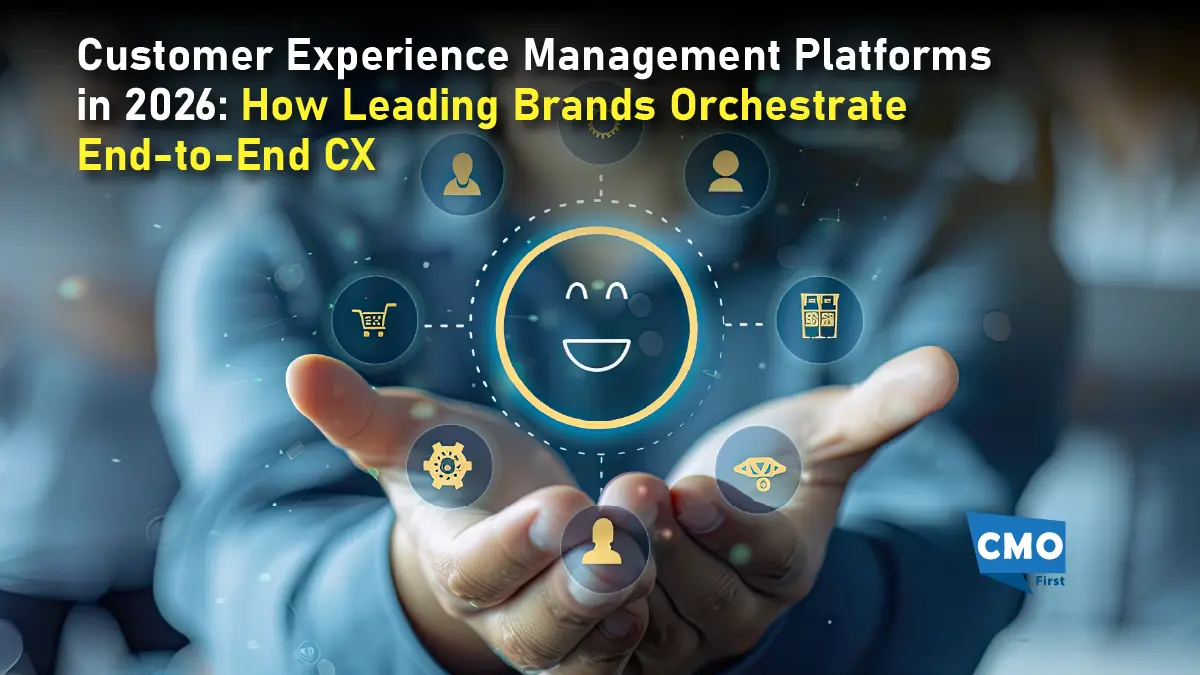
Customer experience. It’s not something you fix after it breaks. Not anymore. In 2026 it’s the battleground. Acquisition costs are through the roof. Keeping a customer costs, a lot less than getting a new one. Get it wrong and you lose loyalty. Revenue. Reputation. Relevance.
That’s why the customer experience management platform matters. Not just software. Think of it like the central nervous system of your brand. It connects sales, marketing, service. Makes decisions faster. Spots what the customer wants before they even ask. Finds friction before it becomes a problem.
This article discusses the different ways brands are implementing customer experience management (CXM) platforms with the help of AI, data unification, orchestrated journeys, no silos, and trust. The major platforms such as Salesforce, Dynamics 365, Adobe, and HubSpot are also discussed in this aspect. At the end of the article, you will get a clear picture of what a really connected, human-centered CXM platform is and why it is important.
The Architecture of a Modern CXM Platform
Let’s be real. Building a modern customer experience management platform is messy if you don’t get the foundation right. First off, data. You can’t just rely on CRMs anymore. They were never built for what brands need today. Dynamics 365 Customer Insights, for example, pulls in real-time data from everything. I mean everything. IoT devices, what people do on your site, even their emotional signals. All of it gets combined into a single view. Suddenly, decisions make sense because you’re not guessing from scraps.
Next, the AI layer. This is the brain. It doesn’t just suggest things. It decides. It tells marketing, sales, and support what to do next. Salesforce, the #1 AI CRM, actually integrates intelligence across the board. Every department. Every interaction. Smarter. Faster. More relevant. Customers don’t wait, and neither should your systems. When AI can predict needs before the customer even asks, you’re not playing catch-up anymore.
And then you have the ecosystem. Point solutions? Forget it. Disconnected apps slow you down and frustrate everyone. Modern platforms are modular, API-first. They plug in, talk to each other, and work together without making IT sweat. That is what lets brands move from juggling touchpoints to running full experiences end-to-end.
At the end of the day, a CXM platform is more than software. It’s the nervous system of your brand. It connects data, decisions, and tools. It anticipates. It personalizes. It just works, and makes the customer feel like you’re always a step ahead.
Also Read: Conversational AI in 2026: How Intelligent Conversations Are Transforming Customer Engagementg
Turning Customer Journeys into Action
Managing customer journeys today is nothing like it used to be. You can’t just make a map and call it done. That’s not how people behave anymore. Predictive journey modeling changes everything. AI can spot problems before they happen. A delivery might get delayed. The system sees it before the customer even notices. You can jump in. Fix it. Send a heads-up. Keep them from getting annoyed. It’s all about real-time data. It feeds the AI. The AI decides. And it does it across channels, across teams. No guessing. No waiting.
Then there’s personalization. Micro-personalization used to be the shiny thing. Past purchases, basic segments, a little tweak here and there. That’s old. In 2026, it’s hyper-personalization. Adobe’s 2025 Digital Trends report says it straight. AI, unified data, predictive personalization. That’s what’s reshaping CX. It’s not about what someone did last week. It’s how they feel, what device they’re on, where they are, what time it is. All of that changes the message, the offer, the experience. Every touchpoint adapts. Every experience is different depending on the person in front of it right now.
The shift is huge. Brands can act before something goes wrong. They can know instead of guess. That’s the difference between a forgettable experience and one that sticks. The customer feels seen. Heard. Understood. And the humans in the loop can focus on the tricky stuff. The escalations. The empathy. The things machines can’t do.
It’s messy. It’s complicated. But this is where CX gets real. When your platform moves beyond dashboards and charts. When it starts shaping experiences in real time. That’s when you’re playing a whole different game.
The Rise of Agentic AI in CX Management
Chatbots were fine back in 2024. You asked a question. You got an answer. Mostly scripted. Mostly limited. People got frustrated. They ended up calling anyway. Fast forward to 2026. That’s a different story. Agentic AI is not waiting for instructions. It can take action on its own. Reroute a package. Process a refund. Solve a problem start to finish without anyone typing a single command. It doesn’t get tired. It doesn’t forget. It handles the boring stuff so humans can focus on the messy, emotional cases.
And humans still matter. They always will. But now their job is different. The human-in-the-loop is the empathy expert. The person who jumps in when emotions run high. The system filters everything else. Agents only see the cases that need heart, judgment, real understanding. Everything else is automated. AI is expected to handle 50% of all service cases by 2027 according to Salesforce. That’s half the workload gone. The AI deals with predictable tasks, repetitive questions, routine processes. Humans focus on decisions that matter, conversations that build loyalty, moments that make customers feel like someone really gets them.
It changes how teams are structured. How workloads are assigned. How brands think about service. You stop fighting fires and start preventing them. You stop reacting and start orchestrating. And that’s the real power of Agentic AI. It’s not replacing people. This will improve the system overall, making it faster, smarter, and ‘more human,’ all at the same time.
Aligning Marketing Sales and Service for Real Results

Silos are the silent killer in CX. Marketing sees one story. Sales sees another. Support sees something else entirely. That’s chaos. A modern customer experience management platform fixes that. Everyone gets the same view. The same data. A sales rep can see the customer’s health score the same way support does. No more guessing. No more passing notes. No more blame.
And the voice of the customer isn’t just surveys anymore. Those old surveys barely get responses. Now you can listen to every interaction. Sentiment analysis reads emails, chats, calls. Every signal counts. The platform surfaces patterns. Problems before they blow up. Praise before it gets buried. You know what customers feel at any moment.
HubSpot’s 2025 research shows exactly this. Customers expect faster responses. They want consistent experiences across channels. And companies that unify their data and CX processes actually see results. CRM usage trends prove it. The platforms that break down silos get higher adoption. They get happier customers. They get loyalty.
It’s not complicated. It’s just connecting the dots. Making sure everyone sees the same picture. So when a customer reaches out, the answer doesn’t depend on which department they called. It’s seamless. It’s unified. And that’s what a real CXM platform does.
Trust, Privacy, and Ethical AI Governance

Trust is not optional anymore. Customers expect it. They want to know why a recommendation shows up in their feed. Why that email. Why that offer. Leading brands are using customer experience management platforms to make this clear. Transparency isn’t marketing fluff. It’s real. You can show the signals, the triggers, the logic behind decisions. Customers see it. They understand it. They feel in control.
Privacy is next. You can’t just collect data and hope for the best. Consent management has to be baked in from day one. Platforms now integrate it into the very data layer. Every click, every preference, every signal is tracked with permission. The EU AI Act in 2026 makes this non-negotiable. You have to comply or you face real consequences.
Ethical AI is also part of the story. Decisions made by AI have to be fair. They have to be explainable. They have to protect the customer while still delivering value. Brands that ignore this pay for it in lost trust, lost loyalty, and sometimes lost revenue.
It’s messy. It’s complicated. But it’s also an opportunity. The companies that get this right build a trust infrastructure. Customers feel safe. They feel respected. They engage more. They stick around. And that’s the ultimate payoff of a CXM platform done right.
Choosing the Right CXM Partner for 2026
Look, it’s simple. A customer experience management platform is not just another tool you throw at the problem. It can lower cost-to-serve. Make teams faster. Smarter. Connect the dots between data, decisions, actions. Customers get what they need before they even ask. That means more loyalty. More repeat business. Higher lifetime value.
But here’s the thing. It’s not just about the money. Trust matters more. Leading brands get it. They aren’t buying software. They are building something bigger. A trust infrastructure. One that shows customers they are seen. Heard. That their data is safe. That every interaction counts. Seamless. Human.
The right CXM partner doesn’t drown you in dashboards or complexity. It gives clarity. Control. Confidence. Makes your brand work better. Smarter. Faster. And makes your customer feel like you are always a step ahead.