
The 2026 consumer does not separate online from offline anymore. They move between apps, stores, chats, and websites without thinking twice. They are impatient, but not unreasonable. What they expect is simple. Brands should recognize them instantly, no matter where the interaction starts.
This is where most experiences break. Data still lives in silos. Email knows one version of the customer. Social knows another. POS systems know a third. The result is a fragmented conversation that forces customers to repeat themselves or ignore messages that miss the point.
An omnichannel marketing platform exists to fix this exact problem. It acts as the central nervous system, connecting signals from every touchpoint and turning them into one shared understanding. When it works, the brand finally responds as one entity, not a collection of tools.
This shift is not limited to large enterprises. In India, 92 percent of businesses using Meta platforms are MSMEs, which shows that customer centric engagement is already a survival move, not a luxury. In 2026, platforms are no longer about reach. They are infrastructure for retention, trust, and long term relevance.
Why Multichannel Falls Short in the 2026 Reality
Multichannel used to sound impressive. Email here. Social there. A bit of SMS when things got urgent. On paper, it looked like coverage. In reality, it was fragmentation. Each channel worked hard on its own, yet none of them talked to each other. That is multichannel. Many lanes. No shared map.
Omnichannel is different. It is not about adding more touchpoints. It is about running every touchpoint on one shared strategy. One memory. One understanding of the customer. When a brand moves this way, every interaction builds on the last instead of starting from zero. That shift alone changes how customers feel.
Now layer in the 2026 context. Third-party cookies are gone for good. Passive tracking is fading fast. At the same time, AI is no longer reactive. It predicts intent, timing, and next action. However, legacy systems were never built for this world. They store data in batches. They think in channels. They react late. So when AI asks for real-time, unified signals, these systems simply stall.
This is where things break. Without a unified omnichannel marketing platform, brands do not personalize. They broadcast. Customers then see the same offer repeated across email, social, and ads, even after they have ignored it or worse already acted. What feels like coordination inside the company feels like noise outside.
Meanwhile, purchaser journeys are no longer neat or linear. They jump across apps, devices, and moments. Because of that, relevance now depends on connected data. In short, multichannel pushes messages. Omnichannel understands people. And in 2026, that difference decides who gets tuned out and who gets trusted.
Unifying Data to Build a Single Customer View
At the heart of any serious omnichannel marketing platform sits one non-negotiable job. It has to tell the truth about the customer. Not partial truth. Not channel-specific truth. One version that everyone works from.
This is the point where the platform subtly masquerades as a Customer Data Platform despite not being advertised as such. It gathers information from various sources like CRM records, website clicks, mobile app activities, in-store purchases, and even support inquiries. When considered separately, each data point is non-threatening. Together, they explain intent. They show context. They reveal where the customer actually is, not where a single tool thinks they might be.
Without this unification, brands make mistakes that feel small internally but look careless to customers. Sending a discount for a product that was just returned. Promoting an upgrade to someone who raised a complaint yesterday. Following up on a lead that already converted in another channel. These are not edge cases. They are symptoms of siloed data pretending to be strategy.
Also Read: How to Choose the Right Customer Journey Mapping Tool for Seamless End-to-End CX in 2026?
A unified view fixes this by design. When every system reads from the same customer profile, actions align automatically. Marketing pauses when service escalates. Commerce adapts when intent changes. Nothing heroic is required. The platform simply knows.
The stakes here are not theoretical. The transformation is already influencing digital commerce. Adobe Analytics disclosed an amount of $241.4 billion in online sales for the holidays 2024, indicating an 8.7 percent increase compared to the previous year, mostly due to mobile usage and AI-facilitated shopping. This rise was not based on speculation. It came from systems that could read signals fast and act on them together.
And speed matters now. In 2026, overnight batch updates are too slow. Decisions must happen while the customer is still there. Real time is no longer a feature. It is the baseline. If data cannot move and respond instantly, it is already outdated. A unified platform does not just store data. It keeps up with people.
Personalization at Scale
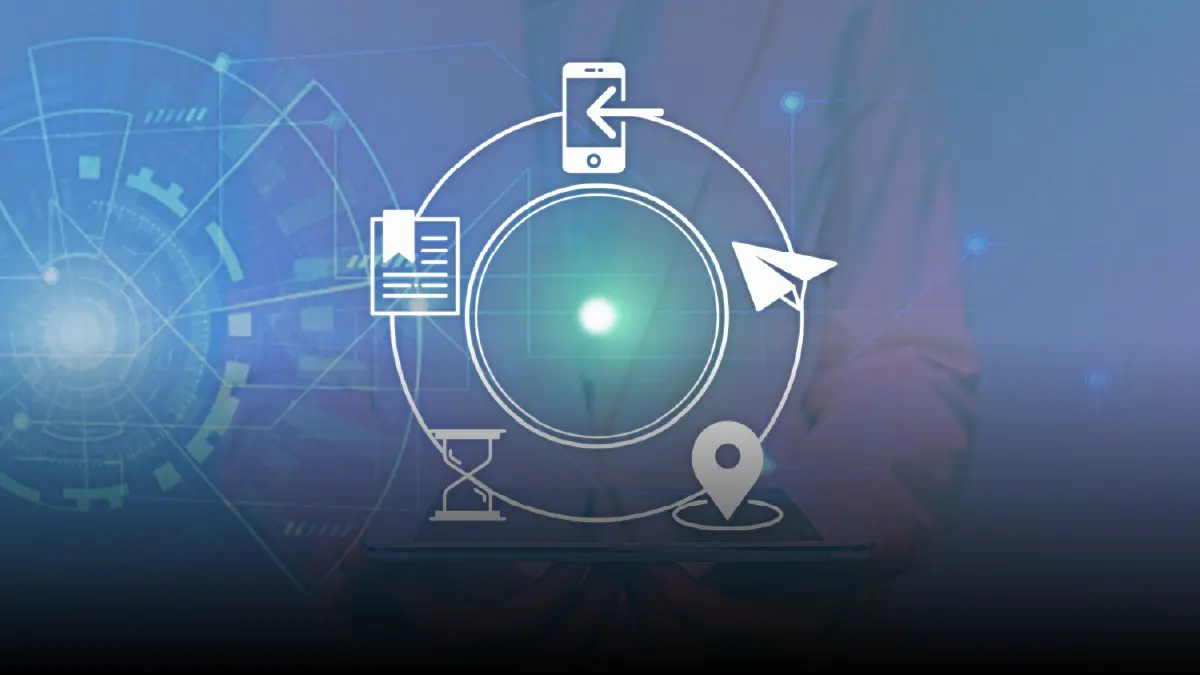
Personalization used to mean knowing a name. Then it meant knowing a segment. In 2026, neither is enough. What matters now is context. Where the customer is. What they just did. What they are likely to do next. And that only works when personalization is fed by unified data, not isolated signals.
When an omnichannel marketing platform has a single customer view, messages stop being generic. The timing changes. The channel changes. Even the decision to stay silent becomes intentional. A reminder appears because someone paused on a product page. A nudge is delayed because a support issue is still open. Relevance comes from awareness, not volume.
This is where AI finally earns its place. Not as a shiny layer, but as a decision engine. The platform looks at behavior patterns and predicts the next best action. A refill suggestion lands just before the product runs out. A content prompt shows up when intent is warming, not after it has cooled. Automation handles the execution, but judgment comes from data working together in real time.
The proof is already visible in the market. During festive season, 65 percent of shoppers used Meta platforms, and personalized ads influenced every stage of the journey, from discovery to evaluation to purchase. That kind of impact does not happen when personalization is shallow. It happens when systems understand momentum.
Trust plays a quiet role here. The smartest platforms do not rely only on inferred behavior. They make it easy for customers to share preferences willingly. This zero-party data, when used respectfully, sharpens personalization instead of creeping people out. Done right, customers feel understood, not tracked. And once that line is crossed, scale stops being the enemy of relevance.
Delivering the ‘Seamless’ Experience Across Touchpoints
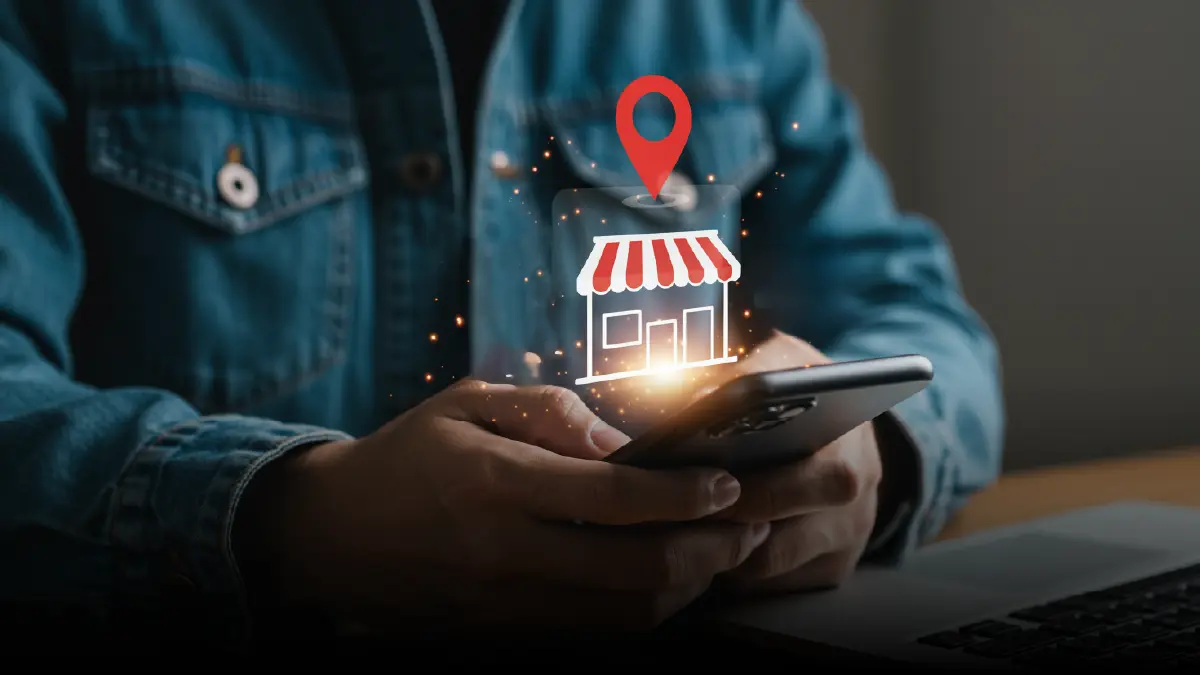
A seamless experience is not magic. It is memory. The brand remembers what the customer did, where they did it, and what makes sense next.
Picture this. A customer adds an item to the cart on mobile during a commute. Later, they get a gentle SMS reminder, not a loud discount. The next day, they walk into a store, scan a QR code, and complete the purchase without repeating anything. No confusion. No restart. One journey, carried across moments.
This only works when one platform tracks the full story. Otherwise, each channel acts like it is the first meeting. That is when customers feel friction, even if they cannot explain it.
The scale of this problem is already massive. Amazon has reported that its ad supported monthly reach in the U.S. has crossed 300 million customers. At that volume, inconsistency is not a small error. It becomes visible fast. Customers notice when messages clash or arrive out of sync.
This is where journey orchestration matters. A modern omnichannel marketing platform does not push the same message everywhere. It pauses. It chooses. It decides whether email, SMS, in app, or no message at all makes sense in that moment. The goal is not presence. It is progress.
Seamless does not mean always on. It means always aware. And when brands get this right, the experience feels natural, even though the system behind it is doing serious work.
How to Choose the Right Platform for 2026?
During this period, it ought to be obvious that the platforms which boast omnichannel capabilities do not all provide them. Thus, when the selection for 2026 is made, intuition alone will not suffice. You need a hard checklist. No compromises.
Here is what actually matters.
- Native integration
The platform should plug into your existing stack without drama. CRM, commerce, support, analytics. If it needs heavy custom work just to sync basics, walk away. An omnichannel marketing platform should connect, not complicate.
- Real AI capability, not labels
Look beyond buzzwords. The platform must support predictive use cases like churn signals, next best action, and timing optimization. Generative AI for content is useful, but decision making AI is critical.
- True real-time data handling
Ask how fast data moves. Minutes are too slow. If profiles update overnight, the experience will always lag behind the customer. Real time is no longer optional.
- Scalability without degradation
The platform should handle growth in users, channels, and data without breaking logic or slowing decisions. What works at ten thousand users must still work at ten million.
- Privacy and compliance by design
GDPR and CCPA readiness should be built in, not patched later. Consent, data access, and deletion must be clean and auditable. Trust is part of the product now.
Choosing right here sets the ceiling for everything else. Choose wrong, and every future campaign pays the price.
End Note
At the end of the day, an omnichannel marketing platform is not about sending better messages. It has to do with keeping one’s word. The assurance that a brand knows its customers, retains them in memory and reacts in a way that makes sense every single time.
The year 2026 will witness the widening gap between the voice of the brands and the actual experience of the customers which will determine the loyalty. Platforms that are treated as tools will struggle to keep up. Platforms that are treated as the foundation of customer understanding will carry everything else forward.
So the real question is not whether you have enough channels. It is whether your systems can listen, connect, and act as one. Now is the moment to audit your stack honestly. If it cannot support how customers actually behave today, it will not survive how they behave tomorrow.