
For years, 5G was sold as a faster way to watch videos and download files. That pitch now feels painfully small. The bigger story is what happens when mobile connectivity becomes fast and responsive enough to support richer digital experiences in the moment. That is where 5G on mobile marketing technology starts becoming commercially important.
In 2026, marketers are using a technology stack where 5G can sit underneath AI, edge computing, immersive experiences, connected devices and real-time customer interactions. The shift is not simply about making advertisements load faster. It is about reducing the delay between a customer signal and the brand’s response. This article looks at how that shift is changing personalization, AR and XR, conversational commerce and connected experiences, while also examining the privacy, cost and MarTech challenges marketers cannot afford to ignore.
The Core Technical Drivers Behind 5G on Mobile Marketing Technology
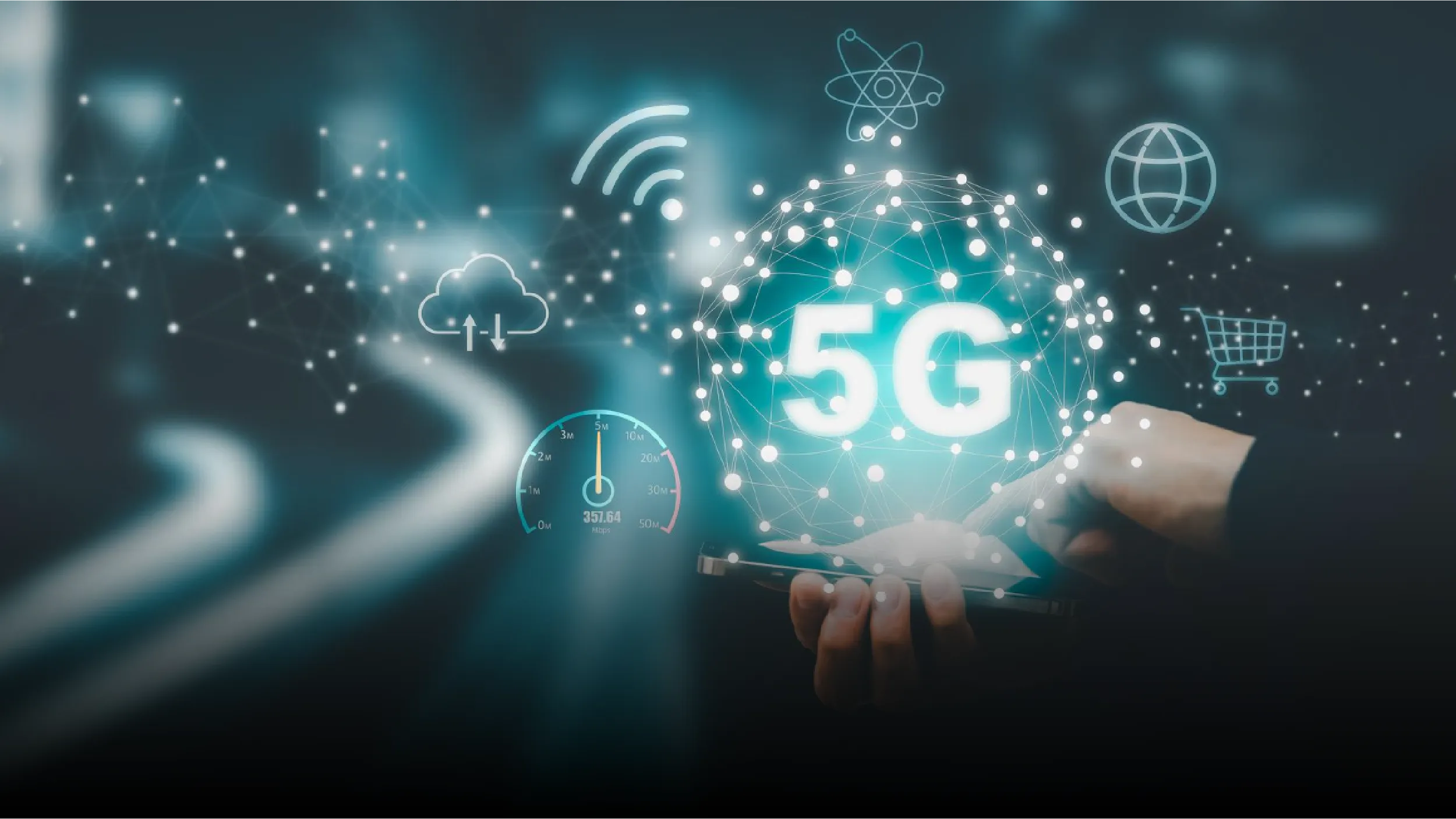
The easiest way to misunderstand 5G on mobile marketing technology is to reduce it to speed. Speed matters, but latency and computing location can matter just as much. A marketing experience may contain AI processing, video, location data or interactive content. If every request has to travel to a distant server and return, the experience can still feel sluggish even when the connection itself is fast.
That is where edge computing comes in. Rather than sending back every single workload to the central cloud environment, you can send the workload closer to data generation/usage. In a mobile marketing environment this would mean quicker response rates for interactive engagement, connected retail networks, other uses that rely on near real time signaling.
Beyond Speed and Why Ultra-Low Latency Matters
Latency is essentially the delay between an action and a response. For marketers, that delay can decide whether an experience feels interactive or frustrating. A customer tapping a product, changing an AR view or interacting with an AI assistant does not want to wait around for the system to catch up.
AWS describes private mobile edge computing architectures using 5G where latency can be reduced to less than 20 milliseconds in certain deployments. That does not mean every 5G connection will deliver that result. It shows, however, why low-latency connectivity matters when designing responsive digital experiences.
Also Read: The Business Case for Unified Marketing Measurement: How CMOs Can Prove Marketing ROI in 2026
Edge Computing in Mobile Advertising
The other half of the equation is processing. Google launched new capabilities in its AI Edge Portal that can benchmark machine-learning workloads across more than 120 representative Android device types, with visibility into latency and performance across CPU, GPU and NPU backend.
The marketing implication is bigger than the number itself. Mobile intelligence is increasingly being designed around the device and the edge, rather than treating the cloud as the only place where useful processing happens. That makes 5G on mobile marketing technology less about raw bandwidth and more about building a responsive system where connectivity and computing work together.
Transforming Customer Engagement Through Immersive Experiences
Mobile advertising has spent years trying to become something more than a rectangle on a screen. 5G can help push that shift forward because richer experiences require more data, faster communication and responsive processing. That creates more room for marketers to experiment with AR, XR, interactive video and three-dimensional product experiences.
Consider a shopper looking at furniture online. A conventional product page shows an image and a price. An immersive experience can allow the shopper to see a three-dimensional version of the product, understand its proportions and potentially place it within a physical environment through augmented reality. The difference is not simply visual polish. It changes how the customer evaluates the product.
WebAR is an especially interesting area because a browser-based experience has the potential to remove the barrier to users installing an extra application. However, 5G isn’t a magic button that makes all AR or VR a success. Device capacity, browser support, content and network all still come in to play.
Qualcomm announced Snapdragon Reality Elite in June 2026 as part of its push into spatial computing and XR. Its broader 2026 strategy increasingly connects AI, XR and connected devices through an ambient-computing model. For marketers, that points toward experiences where digital content becomes more closely tied to the physical environment.
This is where 5G on mobile marketing technology starts to change the creative brief. Instead of asking how to make a banner more engaging, marketers can ask how a customer might explore, experience or interact with a product before making a purchase. Try-before-you-buy filters, 3D models and interactive HD video can become parts of that journey.
The catch is that richer experiences also raise expectations. If the experience is impressive for five seconds and then freezes, the technology has worked against the brand. Faster connectivity only creates value when the entire experience has been designed to respond smoothly.
Hyper-Personalization and Real-Time Data Activation
Personalization has already moved beyond adding someone’s first name to an email. The next step is making marketing responsive to what a customer is doing, where they are and what is happening around them. That is where 5G on mobile marketing technology can become particularly valuable.
How does 5G enable real-time marketing personalization?
5G can help move relevant signals quickly between connected devices, edge systems and cloud platforms. AI can then interpret those signals and marketing platforms can decide what action makes sense. The important point is that 5G is the connectivity layer, not the brain making the marketing decision.
Qualcomm’s January 2026 connected-retail work provides a useful example. It describes environments where devices, interactions and data points work together to create real-time insights and improved customer experiences. Qualcomm also links AI-powered edge computing with real-time adaptation and combines 5G and Bluetooth LE with hybrid location capabilities for precise positioning.
That combination opens up more contextual marketing possibilities. A customer entering a store could receive a relevant product experience. A shopper examining an item could trigger additional information. A connected device could provide a signal that helps a system understand context.
However, the commercial opportunity is not simply about collecting more data. In fact, that mindset can become dangerous very quickly. The real advantage comes from activating useful signals at the right moment. More data without better judgment simply creates more noise.
This is an important distinction when discussing 5G on mobile marketing technology. Faster networks do not automatically create better personalization. They give marketers and technology platforms the ability to make existing intelligence more responsive. AI, data infrastructure, location technology and consent systems still determine whether that responsiveness becomes useful or intrusive.
Responsive Conversational Commerce and IoT Integration
The mobile customer journey is also becoming less dependent on menus, forms and static pages. AI assistants can answer questions, guide product discovery and support transactions through natural language. As these interactions become more responsive, 5G on mobile marketing technology can help support the underlying mobile experience, particularly where communication involves richer media or connected services.
Microsoft describes a coordinated agentic telecom store framework where AI agents can handle discovery, sales, service, billing and partner offers through natural-language interaction. That points to a different model of mobile commerce. Instead of forcing customers to navigate a long digital funnel, the interface can increasingly respond to what they are trying to accomplish.
The same logic extends into IoT. Smartphones are no longer isolated endpoints. Wearables, connected vehicles and other devices can become part of the customer journey. A smartwatch, for example, can participate in an interaction that begins on a phone and continues elsewhere. A connected car can become another digital touchpoint.
This is where 5G on mobile marketing technology moves beyond advertising. The network becomes part of a wider connected environment where customer interactions can continue across devices. For marketers, that creates opportunity. It also creates a much bigger responsibility to understand where useful context ends and unwanted surveillance begins.
Overcoming 5G Marketing Challenges and Managing the Trade-Offs
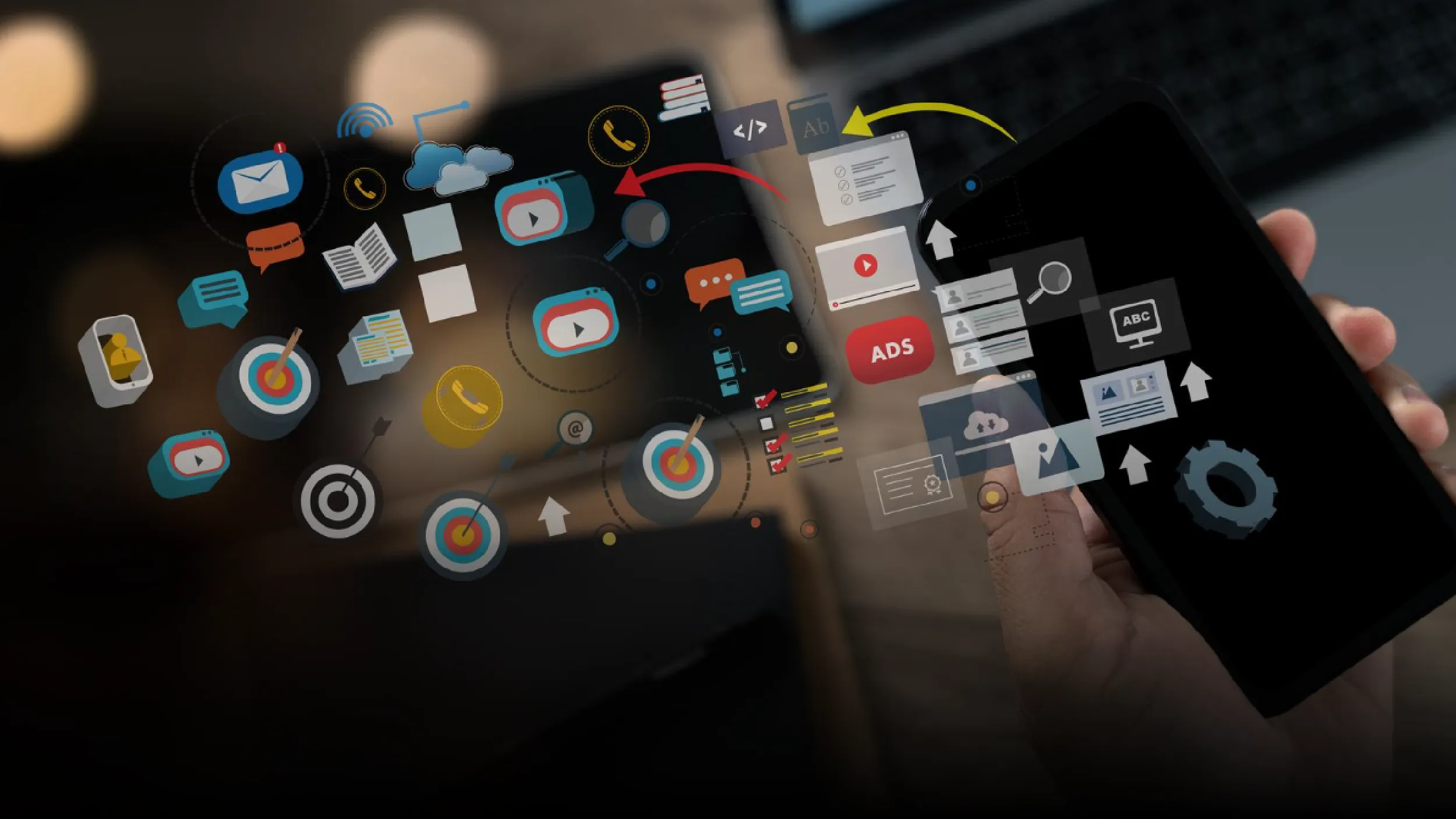
The biggest trap would be believing better connectivity immediately translates to better marketing, it doesn’t. 3D models, AR spaces and interactive video take real investment to produce, test, and optimize. A smaller brand may not justify the investment unless it demonstrably increases conversion or customer value.
Privacy is an even bigger issue. More responsive location and device data can make personalization more accurate, but accuracy is not the same thing as permission. Customers may appreciate a relevant offer while still being uncomfortable with how the brand knew where they were.
That means 5G on mobile marketing technology needs to be supported by strong consent practices, data minimization and clear governance. Marketers should know what data they collect, why they collect it, where it is processed and how long it is retained.
The uncomfortable truth is that better technology can make bad marketing more efficient too. If the underlying strategy is intrusive, 5G simply helps deliver the intrusion faster.
Preparing Your MarTech Stack for the Future
The question for marketers in 2026 is not whether every campaign needs to become a 5G campaign. That would be the wrong conclusion. The better question is whether the MarTech stack can take advantage of more responsive connectivity when a genuine customer use case exists.
First audit whether the stack can support the demands of real-time data, APIs, AI services, connected devices and low-latency experiences. Then analyze whether analytics, CDP’s and activation tools can integrate effectively without generating silos of data, privacy controls should live within this consideration not be bolted on later.
Ultimately, 5G on mobile marketing technology is valuable because it shortens the distance between what a customer does and how a brand responds. That can make mobile experiences faster, richer and more contextual. But speed alone is not a strategy. The brands that benefit will be the ones that pair 5G with useful AI, thoughtful experience design and disciplined data governance. The technology is becoming ready. The bigger question is whether marketers are.